The four Cs, in plain words
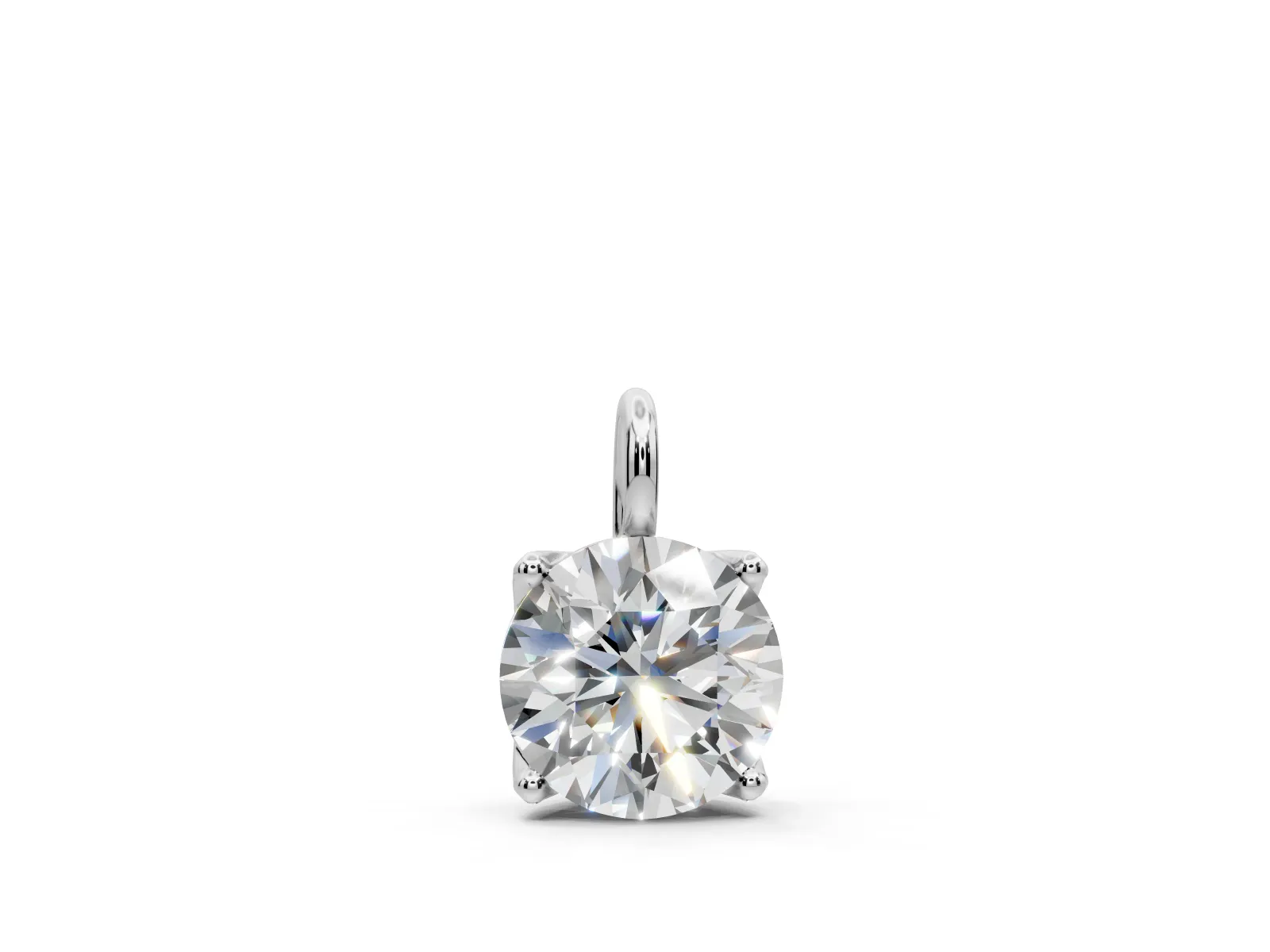
A diamond should be judged by its fire. The four Cs are simply the vocabulary for that judgement: four separate measurements, each graded independently, that together describe how a stone will look when you wear it. Learn them once and every certificate becomes easy to read.
Cut: the one that matters most
Cut is not the shape of the diamond. It is how well its facets are proportioned and polished, and so how much light the stone returns to your eye. A well-cut diamond looks lively in any room; a poorly cut one looks glassy even when its other grades are high.
If you only remember one thing from this page, let it be this: put cut first. A slightly lower colour or clarity is rarely visible. A weak cut always is.
Colour: how white the stone looks
Colour describes the absence of colour. The scale runs from D, completely colourless, down through the alphabet as a faint warmth appears. Near-colourless grades look white to almost everyone once the stone is set and worn.
- White gold, platinum or sterling silver show a little warmth more readily, so a whiter grade pays off here.
- Yellow or rose gold warms the stone anyway, so you can comfortably choose a grade or two lower.
Clarity: what is inside
Almost every diamond carries tiny natural features, called inclusions, formed as the crystal grew. Clarity grades how many there are and how visible they are under magnification. What counts for you is whether you can see them with your own eyes at a normal distance. Many stones in the middle of the scale are clean to the eye and look identical to the highest grades once worn.
Carat: weight, not size
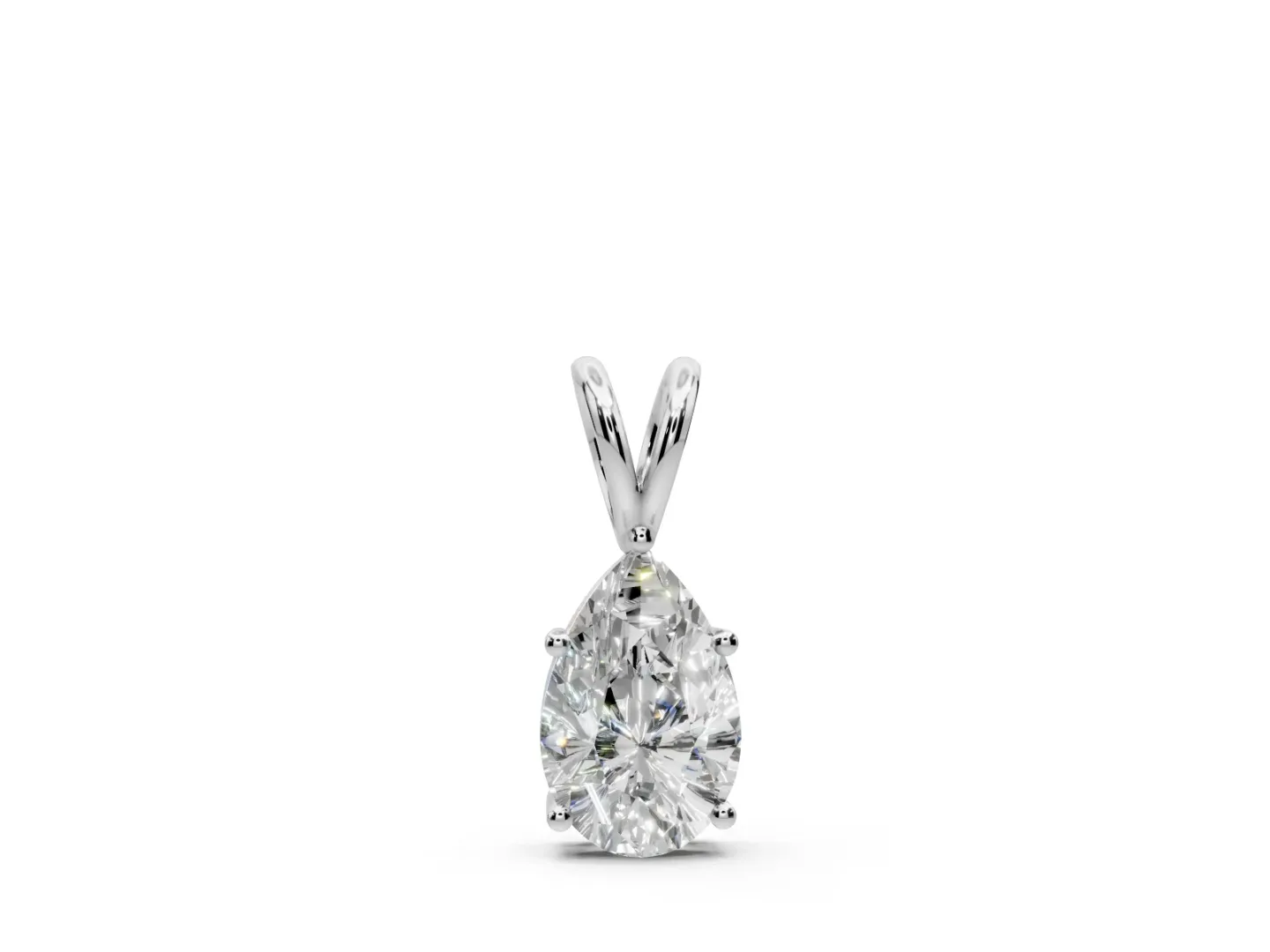
Carat is a measure of weight. Two diamonds of the same carat weight can look different in size, because a deep stone hides its weight below the setting while a well-proportioned one shows it across the top. Shape matters too: elongated shapes such as oval, pear and marquise tend to look larger, face up, than a round of the same weight.
How to balance the four
- Start with cut. Choose the best you can.
- Choose colour for your metal. Whiter for white metals, a little warmer for yellow and rose gold.
- Look for eye-clean clarity rather than the top grade.
- Let carat follow. Decide on the size you love once the first three are settled.
Who should do the grading
Every stone we set is graded by IGI or GIA — never by us. We have an interest in the answer, so we are not the ones who should give it. Your piece travels with its grading certificate, and the certificate is how you can check every word above for yourself.
When you are ready, browse our necklaces with the four Cs in mind, start a ring of your own in the Design Studio, or read more about how we work. If a certificate raises a question, write to us — we are happy to walk you through it.